Formulate a program in the browser.
The heart of the platform is a live drink formulator. Pick a formula, build the recipe, and watch the ingredients, the cost per unit, the margin, and the bottle itself update in real time — what used to take a lab, a co-packer, and weeks now happens in minutes.
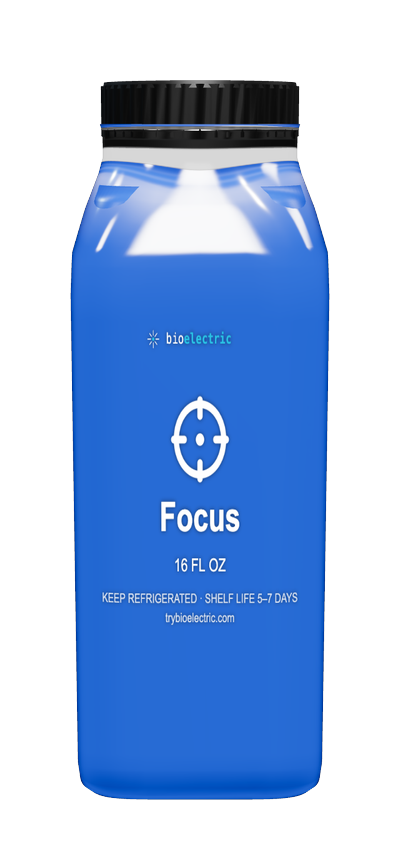
Focus
- Yuzu
- Yerba maté
- Lion’s mane
- Bioelectric minerals
- Cost / unit
- $5.95
- Retail
- $8.32
- Product margin
- 40%
Unit cost, these six $5.60–$6.10
Six of the twelve formulas in the Bioelectric line, priced by the live tool: suggested retail holds a 40% margin on the product, with the bottle passed through at cost.
Open the live formulatorFrom bottle to case.
The same cold-pressed bottle, configured for the shelf. Switch the pack and watch the case fill — with the retail math updating live.
- Units
- 6 bottles
- Volume
- 96 oz
- Retail value
- $49.92
- Product cost
- $35.70
- Gross
- $14.22
Illustrative retail math for Focus, 16 oz, at the tool’s $8.32 suggested retail and $5.95 unit cost.
Four vendors, four points of failure.
Introduce a novel food ingredient to the U.S. market — bioelectric minerals — under FDA notification and self-reporting standards, and bring a bioelectric-mineral-forward functional-drink line to the grab-and-go cooler, a segment where bioelectric minerals is otherwise trapped in $10–20 juice bars, DTC gels, and energy shots. The ambition was clear; the path to a shelf-ready, genuinely fresh, economically viable line was not.
Standing a fresh line up alone means assembling and managing a formulator, a co-packer, a designer, and a distributor — four vendors, four handoffs, four points of failure. The category needed one system to own the entire chain, keep the product genuinely fresh, and prove the economics before committing shelf space.
One system, formula to finished case.
Bioelectric runs the category end to end — formula to finished case — with the digital backbone to run and sell it. One accountable system owns everything from the science and formulation to the delivered case.
The line & positioning
A bioelectric-mineral-forward RTD line of targeted functional formulations — Focus, Calm, Defend, Recover and beyond — at a strategic ~$10 shelf point, in the open lane between $3–4 commodity juice and the celebrity-backed $24 four-pack. Evidence-grounded, not lifestyle-marketed.
Precision logistics, not shelf stabilization
Rather than reformulating for shelf life, we cold-press to order and run a tight cold chain — fresh delivery inside the radius, local micro-batch production beyond it. Fresh is the product, not a claim.
The digital platform
Product-market-fit analysis, a per-store revenue calculator with cold-chain order plans, a white-label storefront, and an admin command center with CRM — so the program is sellable and operable, not just designed.
The opportunity, charted.
Four figures carry the category case. Each one comes from the Bioelectric retailer white paper.
$353.4B
Functional-beverage market by 2030 · ~7.1% CAGR
$2B
Addressable RTD bioelectric-mineral category — open, held by one competitor
+144%
Bioavailability lift — optimized liquid vs. traditional formats
21
Targeted formulations vs. the category’s 3 basic flavors
Market and category figures from the Bioelectric retailer white paper.
Read the white paperThe impact.
The work stood up a complete, evidence-grounded line and the numbers to defend it — superfood-grade function in a ~$10 grab-and-go bottle, with modeled economics, six shopper segments, and category fit mapped before a single shelf was committed.
More than a product, it proved the model: one system, formula to finished case, with freshness as the product rather than a claim — and a documented thesis for a $2B category an entire functional-beverage mega-trend is moving toward. The platform is the asset; every brand that runs on it inherits the science, the economics, and the cold-chain.
The bigger bet.
The conviction is a category. Bioelectric is a long-running wager that the next evolution of functional beverages is bioelectric nutrition — real, minimally processed foods built around the body’s own electrical systems — and that the ready-to-drink bioelectric-mineral lane, today trapped between $3 commodity juice and $20 tonic bars, is exactly where that category gets built.
That conviction is documented, not improvised. Behind the drink program sits a full retailer white paper: the $353.4B functional-beverage market and the RTD gap inside it, the published research the positioning is grounded in, a frank read on the competition, a regulatory and wild-crafted-sourcing path, a three-phase retail playbook, and the unit economics under all of it. The work is deep because the bet is serious — years of it, built by hand, long before there was a shelf to put it on.
A category, not a flavor
Positioning bioelectric nutrition as its own lane — accessible-premium, evidence-grounded, convenience-first — instead of one more entry in a crowded supplement aisle.
Grounded, not hyped
The science is framed as ingredient education and research context, never a health claim. Freshness, sourcing, and certified quality are the promises the brand actually makes.
Built to compound
One accountable team owning formula to finished case means every brand that runs on the platform inherits the science, the economics, and the cold-chain — the category gets easier to build with each line.
The full thesis lives on the business property — the Bioelectric retailer white paper and trybioelectric.com.
Tru Bowl Superfood.
The complete planning system behind the Tru Bowl cold-pressed drink program — a six-recipe line, priced across every store, with the service-design model behind who buys it. The platform runs end to end, from formula through finished case.
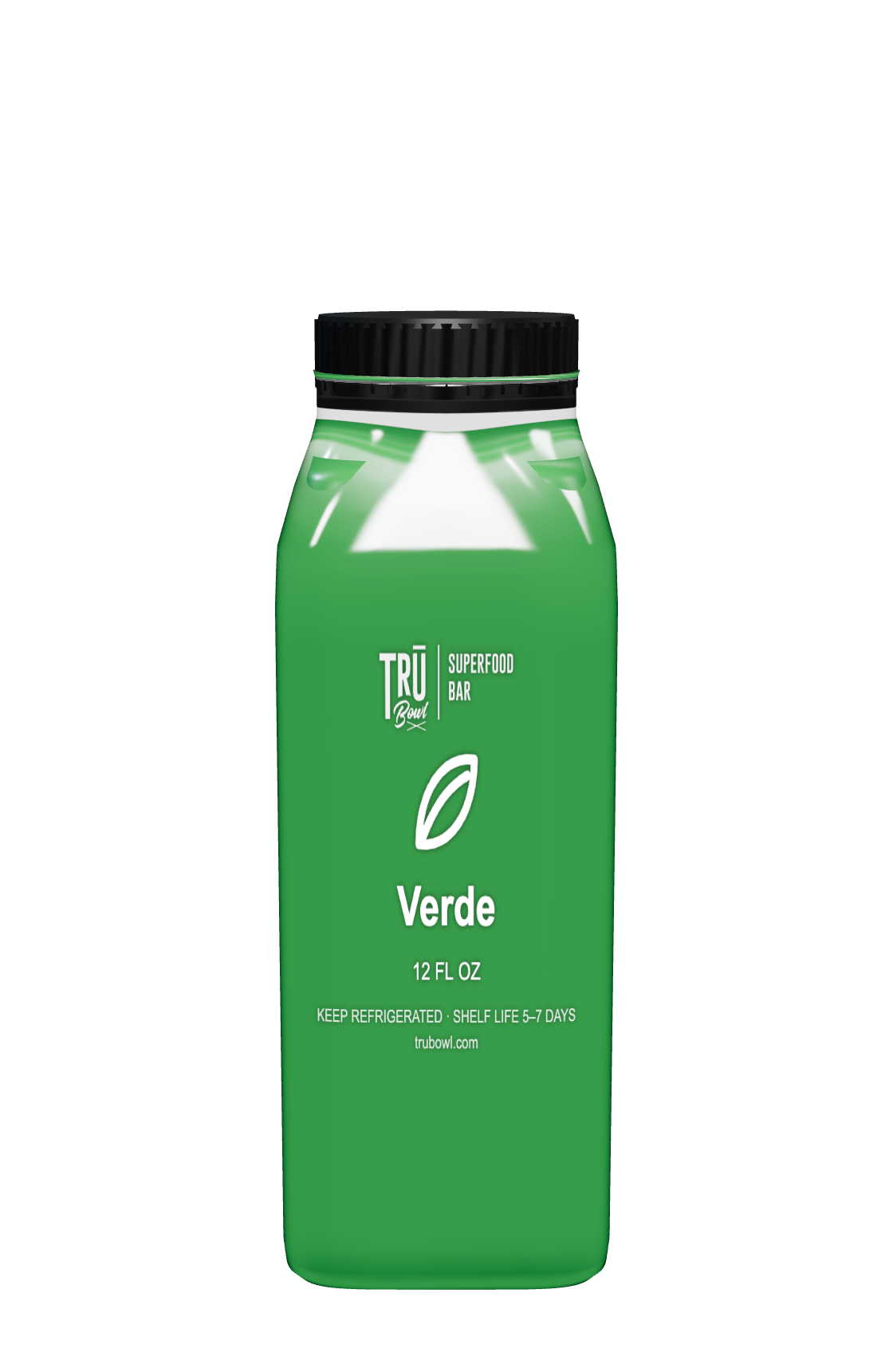
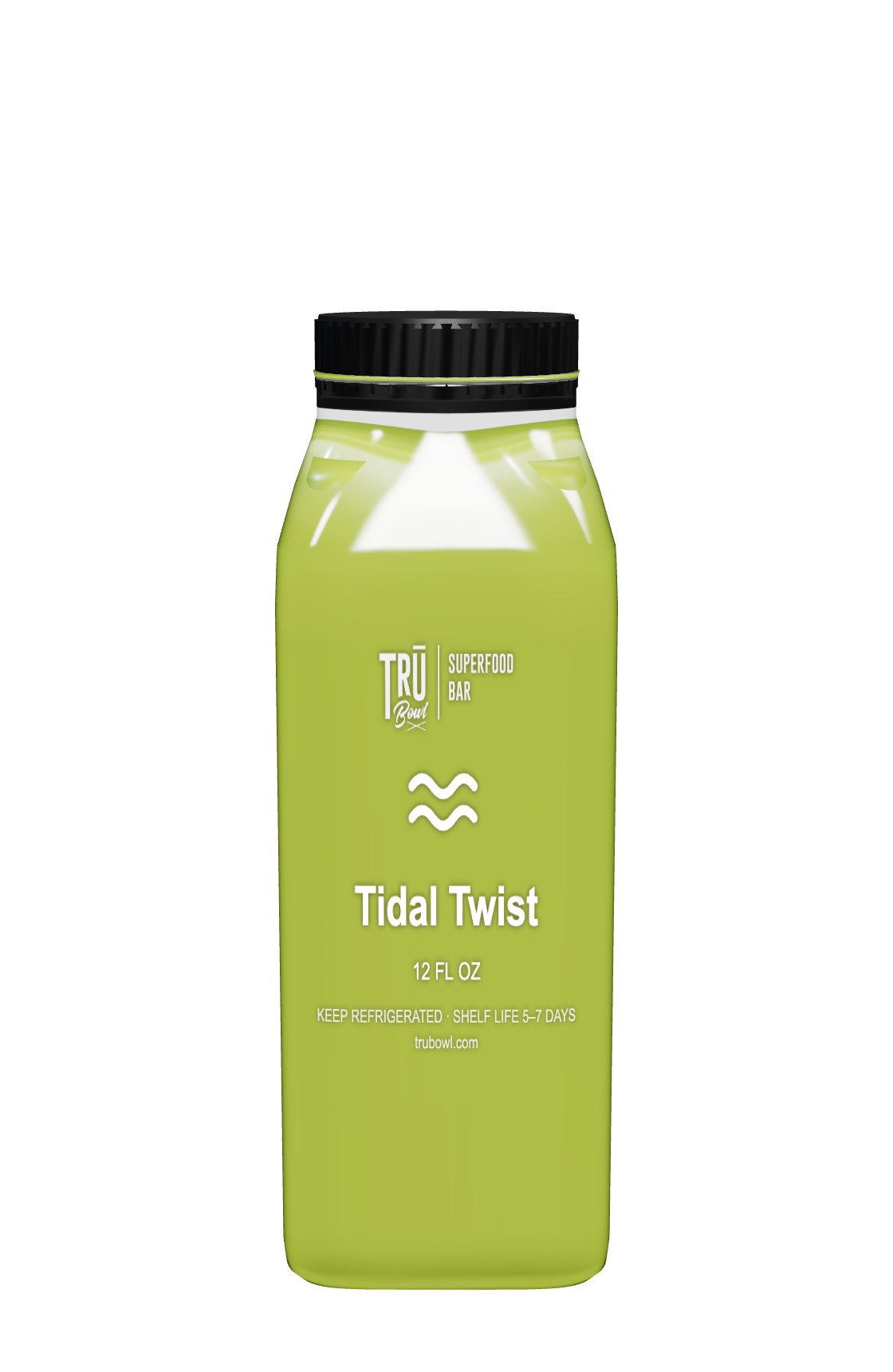
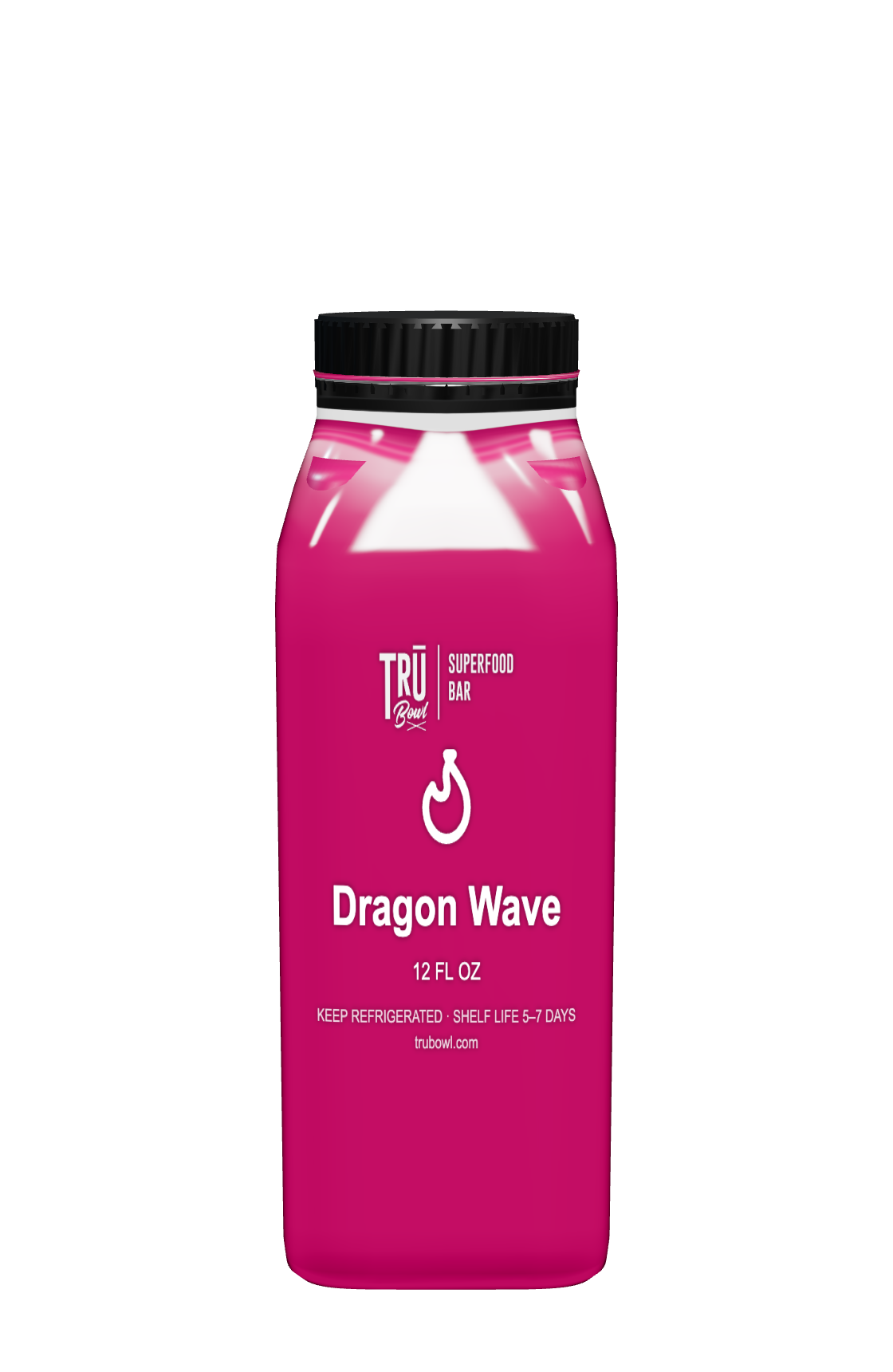
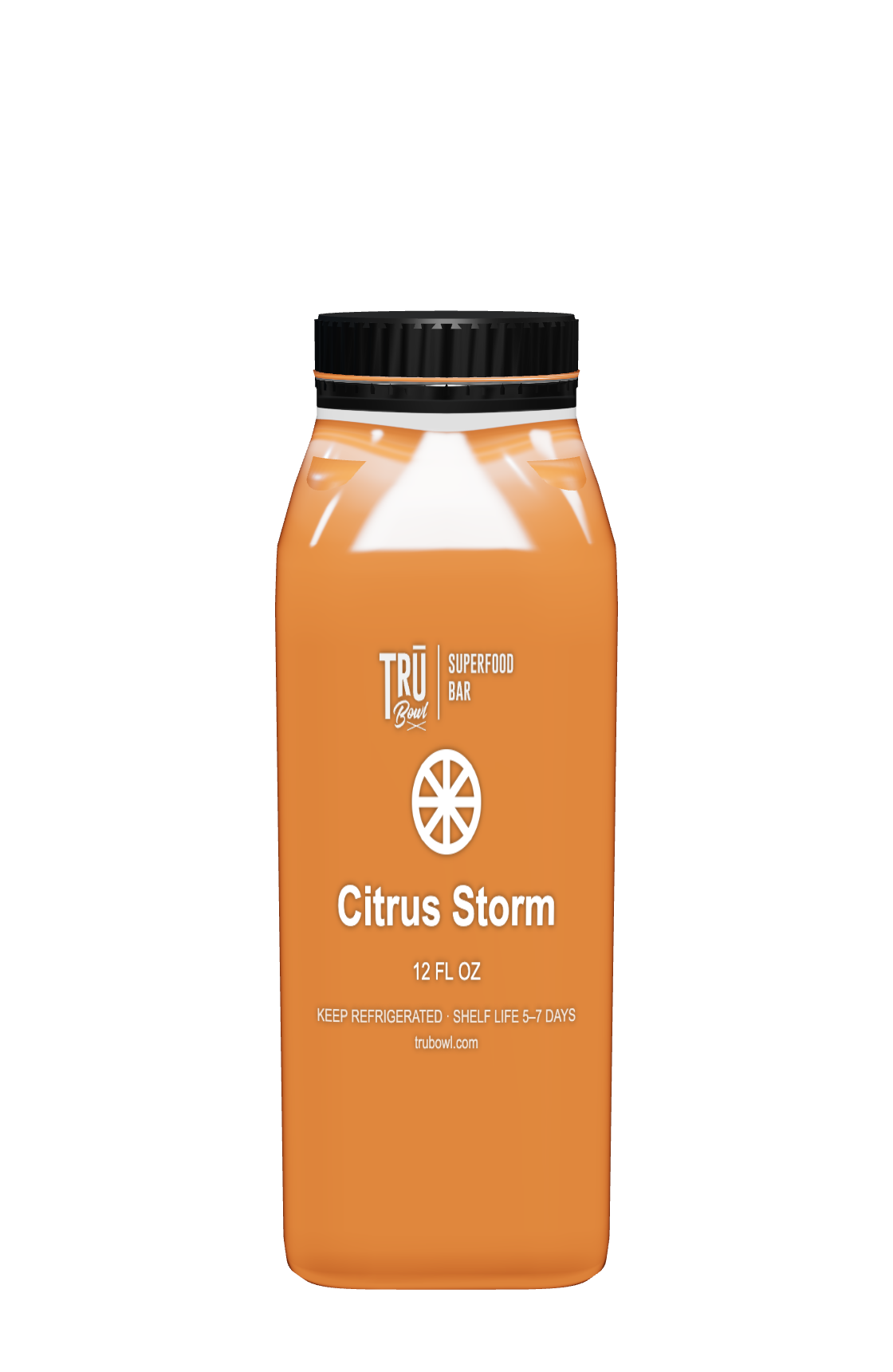
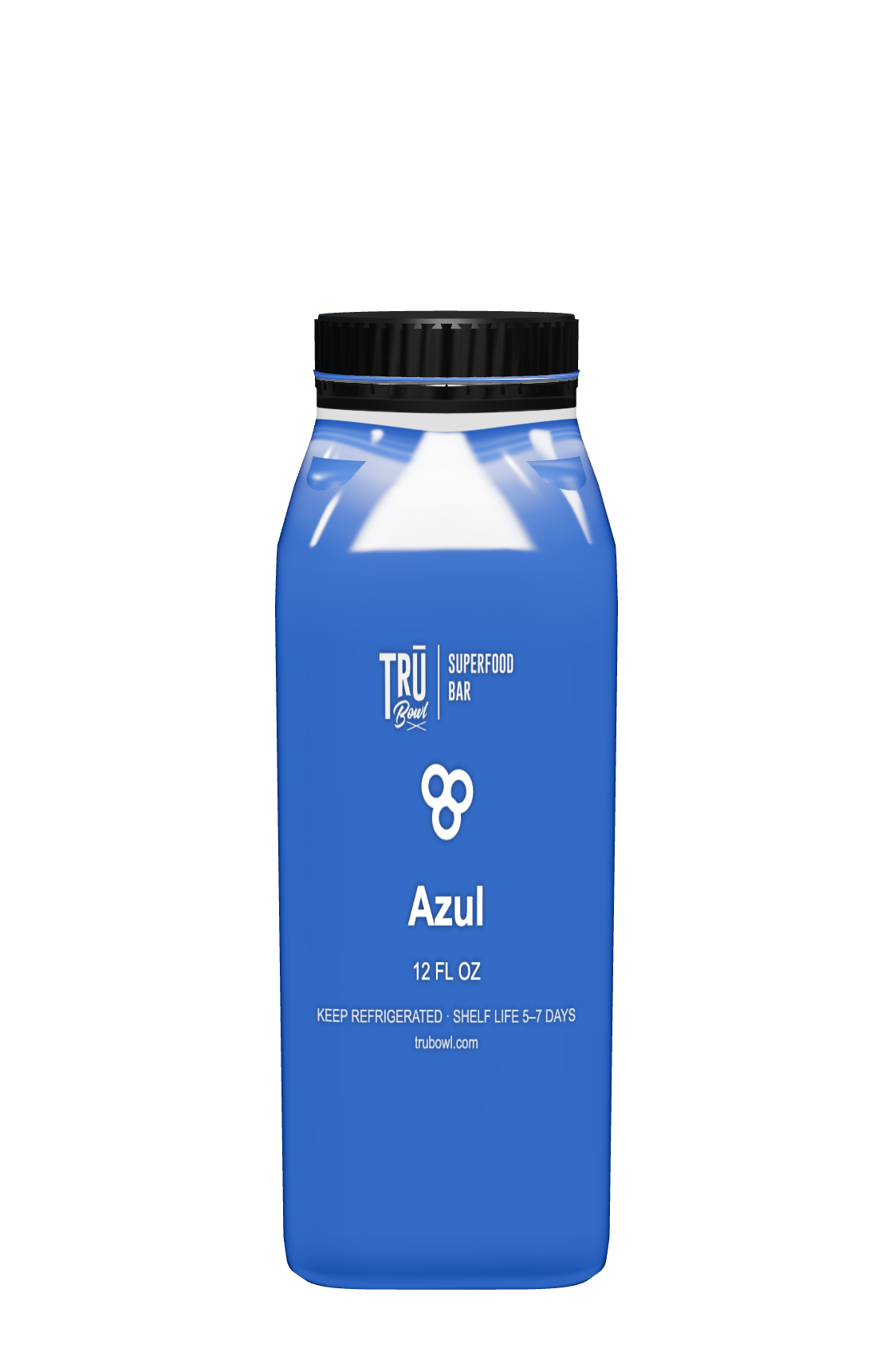
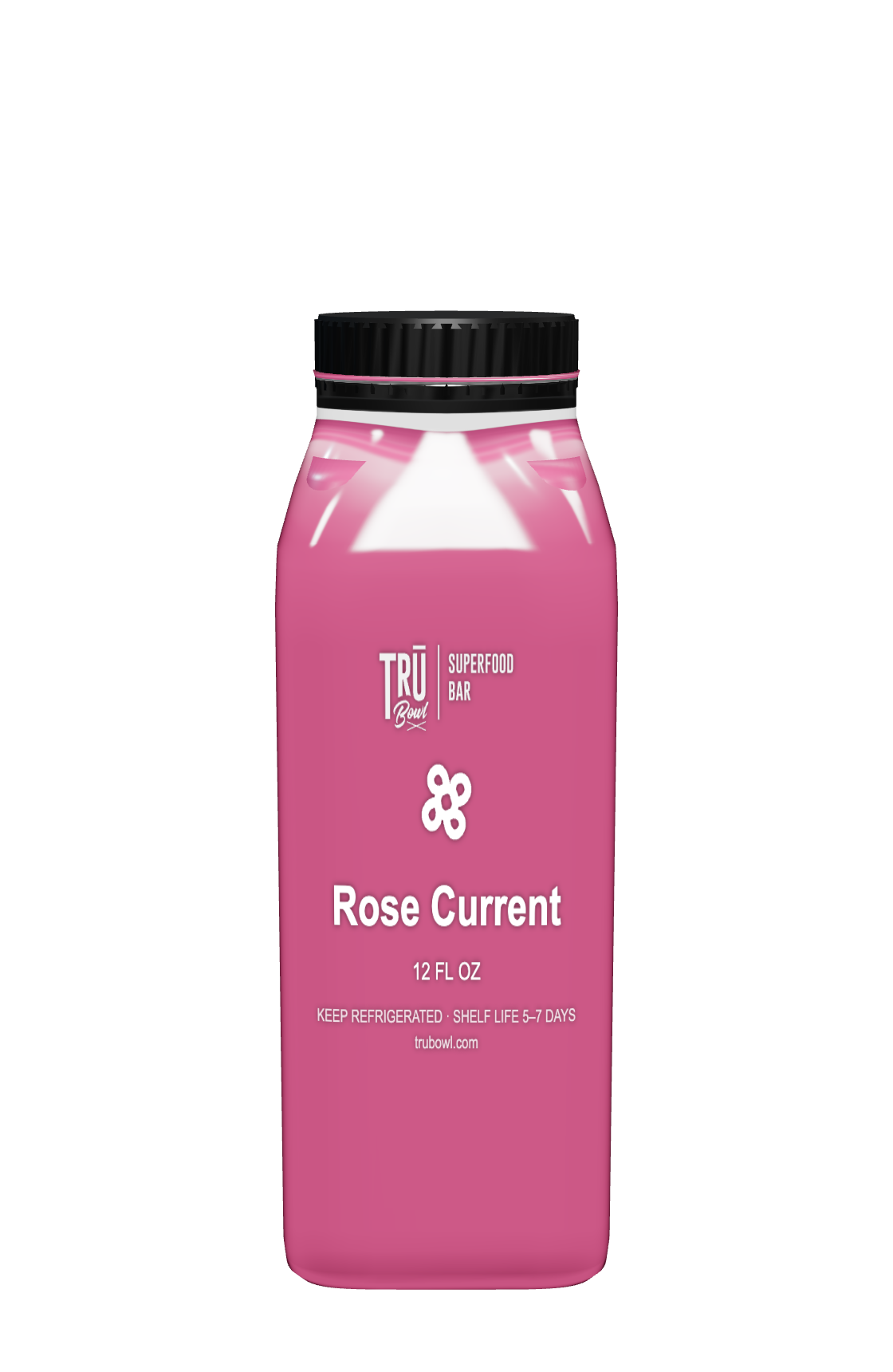
Design the line in the browser.
Build and reformulate the six recipes, set sizes and labels, and lock each bottle spec for production. One accountable surface instead of a thread between a formulator, a designer and a buyer.
Price it across every store.
Run the line through every location with a per-store cost model, cold-chain plan and margin slider — so the monthly plan, the reorder, and the investment case come out of the same view.
Match it to who is buying.
Eight shopper personas, mapped to buying channel, merchandising play and the recipes to stock — so the shelf plan is a lookup, not a research exercise.
Powered by Bioelectric — a design and logistics platform for fresh cold-pressed drink programs.
Open the Tru Bowl programThree tools. Three decisions.
One shared state across the Command Center — each tool asks one question and returns one decision.
Eight shoppers. One decision view.
A complex decision rendered as a single interface a retail buyer can act on at a glance: who actually buys the category, where they shop, the merchandising play that converts them, and the SKUs to stock. Eight personas, 100% of the market — segmented, framed, and merchandised before the first case was pitched. Live at trybioelectric.com/partners.html#shoppers.
How they buy — and how to sell to them.
For each persona: their share of the market, where and how they shop, the merchandising play that converts them, and the recipes to stock.

Routine buyer. Premium grocery & DTC, pays up for quality, repeats weekly as an AM ritual.
Eye-level in the cold case; a "daily ritual" multi-pack and a standing order.

Impulse & social-led. Mobile-first, discovers on TikTok/IG, price-aware but pays for clean & aesthetic.
Single-serve at checkout & end-caps; bold shelf talkers, a QR to ATLAS, and sampling.

Post-workout, near gyms & studios. Buys by the case, function over frills, very consistent.
Gym & studio fridges + sports set; Recover/Hydrate/Ignite cases with "post-workout" signage.

Deliberate label-reader. Repeats what agrees with her; mid-premium, research-driven.
Merchandise beside kombucha/probiotics; a Digest + Cleanse "gut" bundle with ingredient callouts.

Evening purchase, moderate frequency. Seeks a wind-down ritual, comfort-driven.
Place near tea/relaxation; a Calm + Rest "unwind" set with PM messaging.

Boutique & hospitality. Low price sensitivity, values presentation and story.
Cafés, spas & hotels; single-serve, curated/gift sets, premium facing.

Values-first. Checks sourcing & packaging; loyal to brands that align.
Lead with fresh, clean-label & local; minimal-waste story; Cleanse/Hydrate.

Habitual & value-conscious. Trusts the familiar, mainstream grocery, everyday price.
Mainstream shelf, simple signage; Pulse/Defend at an everyday price point.
What we built.
PMF & pricing platform
Market sizing, six shopper segments, eight personas, a line × shopper fit map, and a live COGS / margin model — the business case, made interactive.
Per-store calculator
Unit economics with a per-store drill-down and a store-specific order + cold-chain plan — fresh delivery in-range, local production beyond it.
Storefront, CRM & design system
White-label brand pages, an admin command center with messaging, live chat, and a tenant-scoped CRM, plus a shared design system — on a Supabase backend.
The consumer education built for the line.
Part of the program is helping shoppers understand what bioelectric minerals actually is. This interactive explainer walks through the published science behind the line — evidence, framed as ingredient education.