The record, 2008 to 2013.
Seven projects from before the case studies: a companion to the Oscars that won an Emmy, a car you could park in your own driveway with a phone, a rainforest sold by the acre. Each is shown here with what survives of it.
Six of the seven, at their dates. The MINI Open One Challenge is not plotted because the record of it carries no date.
Oscar.com digital experience
The live, multi-camera companion to the Academy Awards telecast, for the Disney/ABC Television Group with the Academy of Motion Picture Arts and Sciences. It won an Emmy for Outstanding Creative Achievement in Interactive Media.
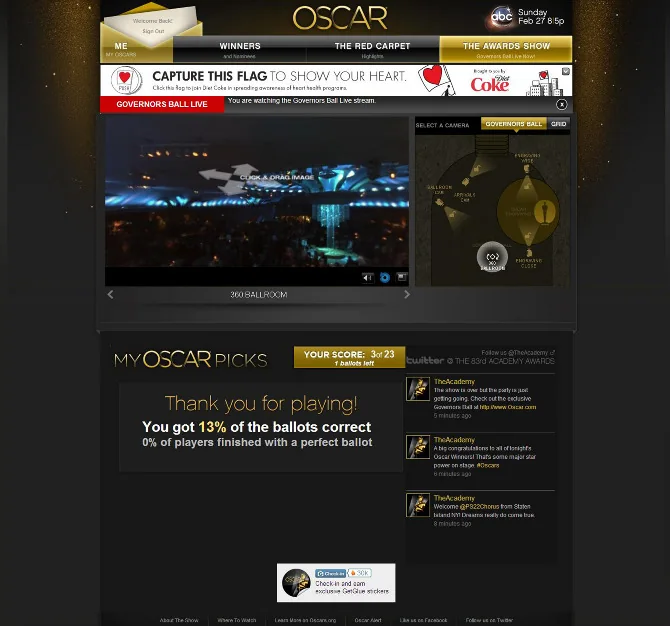
On the night of the ceremony the site ran beside the broadcast. A viewer could switch between camera feeds, from the red carpet to the Governors Ball, and fill in a ballot, My Oscar Picks, that was scored against the winners. A trade review by Andrew Wallenstein the next morning counted a dozen cameras, found the video quality excellent with almost no buffering, and called the first outing promising if not yet seamless.
- Client
- Disney/ABC Television Group, with the Academy of Motion Picture Arts and Sciences
- Year
- 2011
- Platform
- Browser (All Access) and iPhone, iPod touch and iPad (Backstage Pass)
- Recognition
- Emmy, Outstanding Creative Achievement in Interactive Media
BMW X3 Anywhere
An augmented-reality app for BMW USA that put the X3 wherever the phone was pointed.

The app asked one question and offered one action. The owner-to-be pointed the camera at a driveway, a street or a view, and the X3 appeared in it.
- Client
- BMW USA
- Agency
- Kirshenbaum Bond Senecal
- Role
- Production direction and project management
- Platform
- Apple iOS and Android
MINI Open One Challenge
A web experience for MINI, produced for Butler, Shine, Stern & Partners: a contest to find the most open motorer in the country.
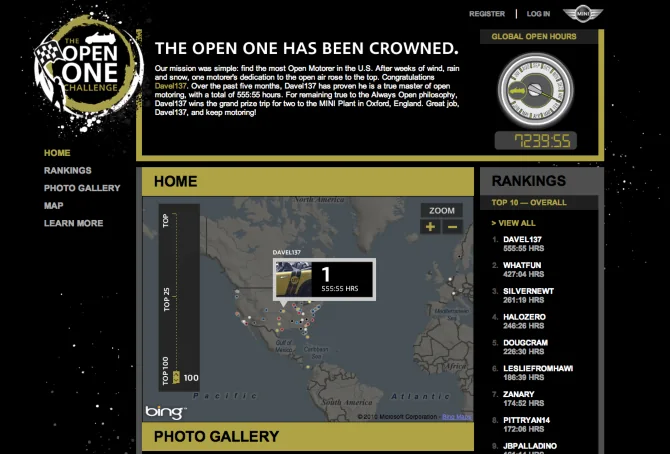
The challenge was to find the driver who spent the most hours motoring with the top down. The site kept the count in public: a live ranking, a map of where the hours were being logged, a photo gallery, and a running total of open hours across the whole field. The screen that survives is the last one, with the winner crowned at 555.55 hours and a trip to the MINI plant in Oxford as the prize.
- Client
- MINI
- Agency
- Butler, Shine, Stern & Partners
- Role
- Producer
- Platform
- Web
Protect An Acre
For Conservation International, through BBDO: an application that let anyone protect an acre of rainforest for fifteen dollars.
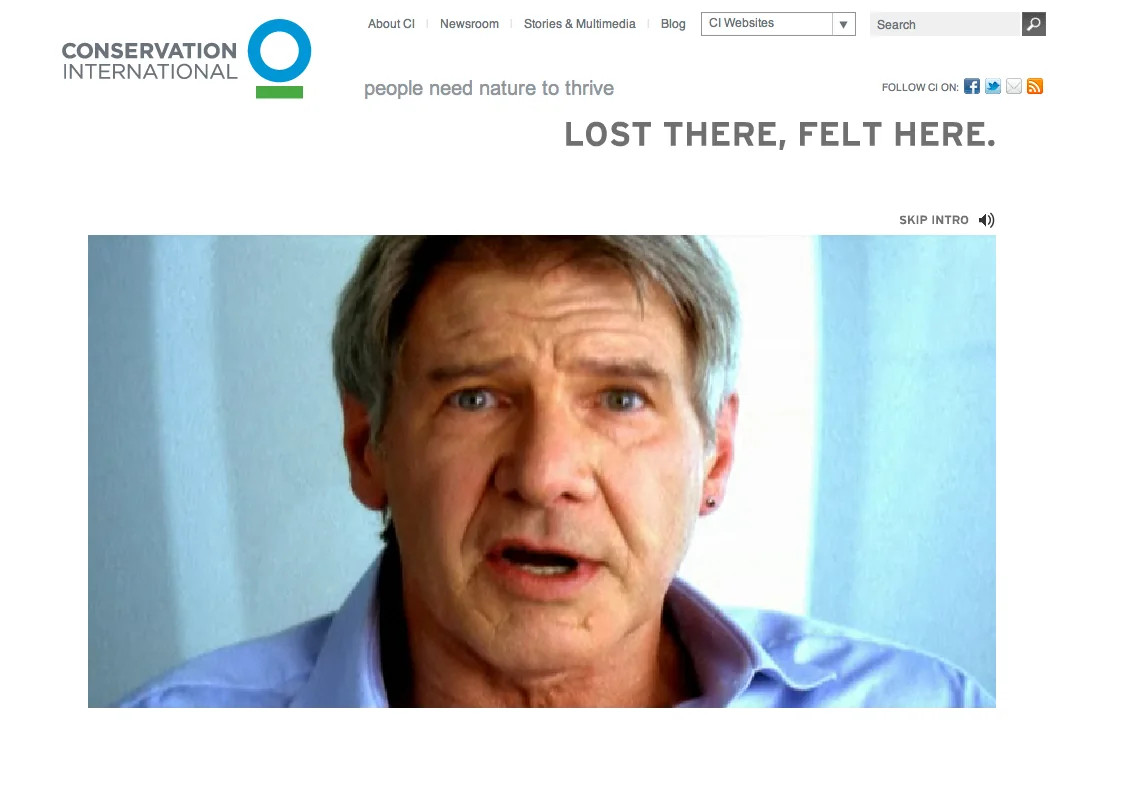
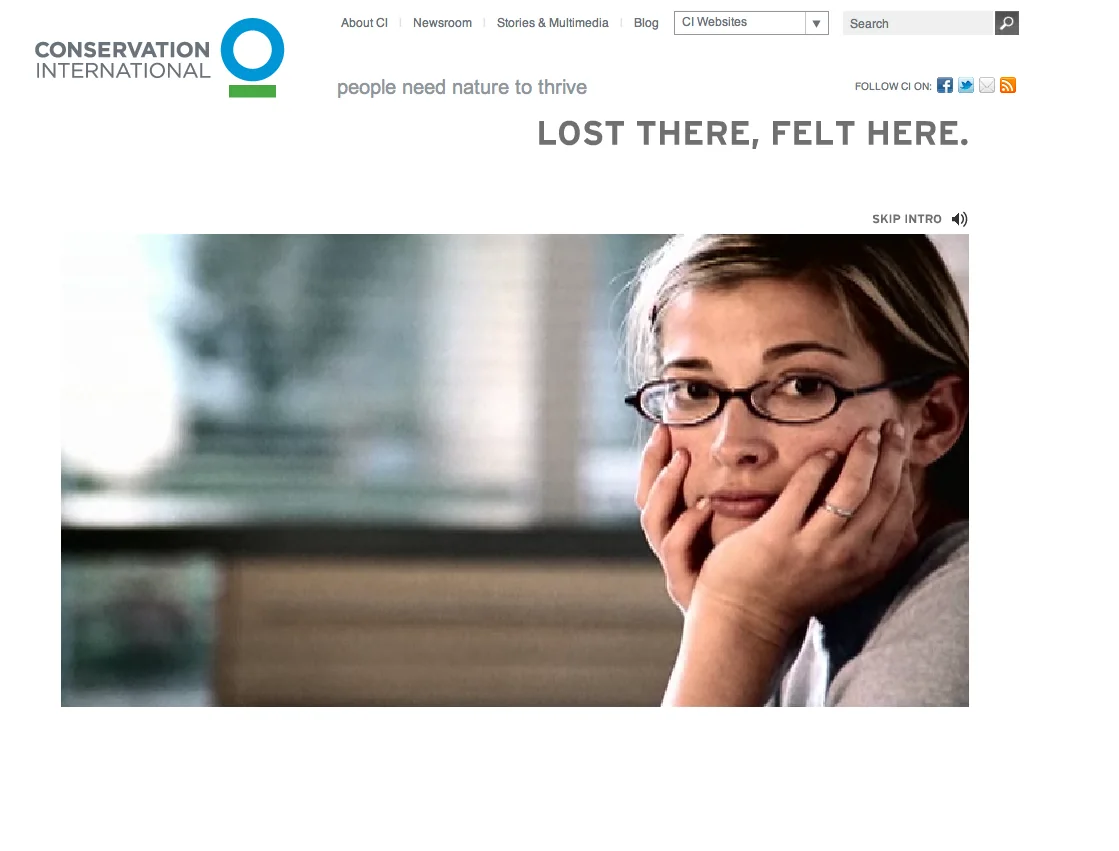
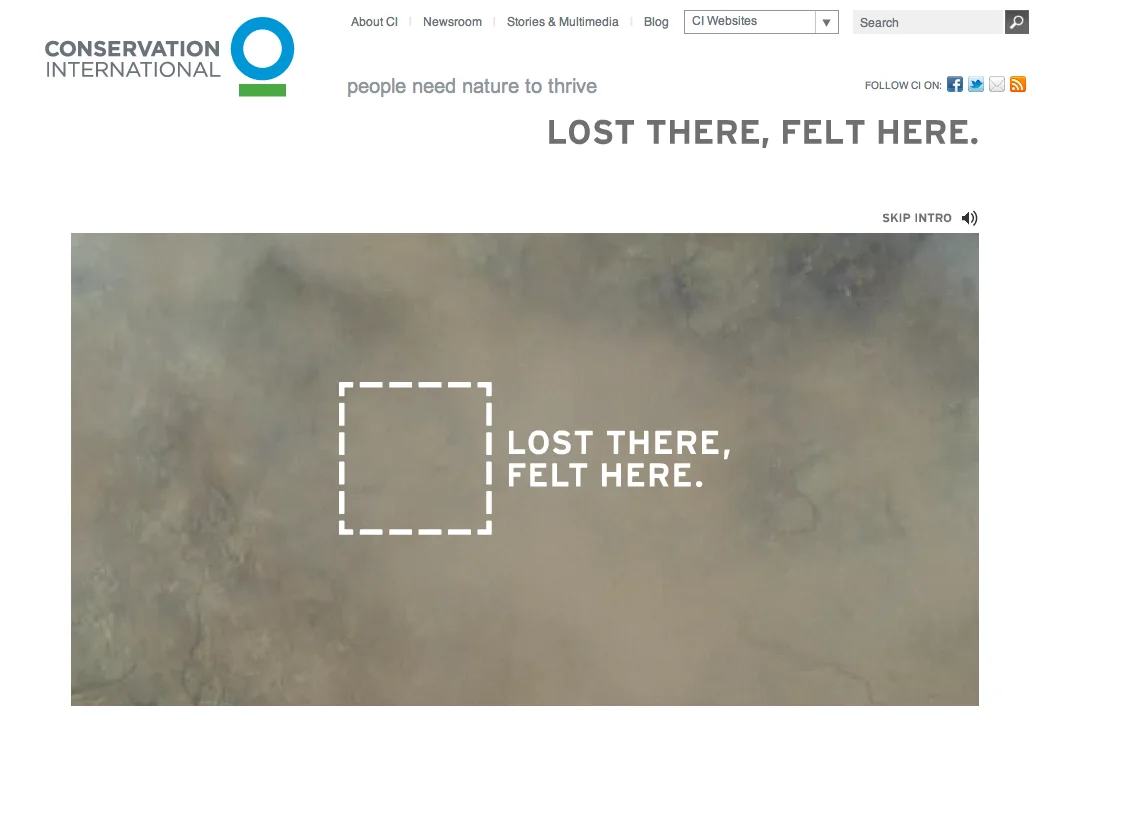
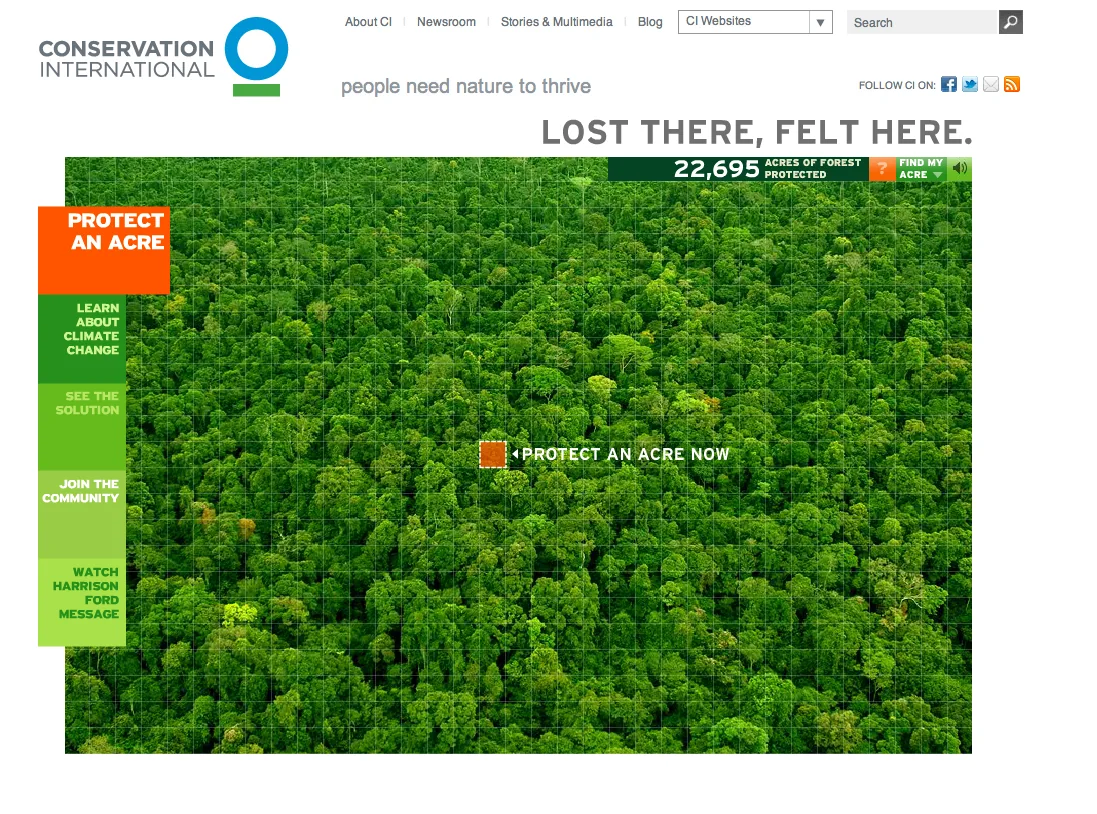
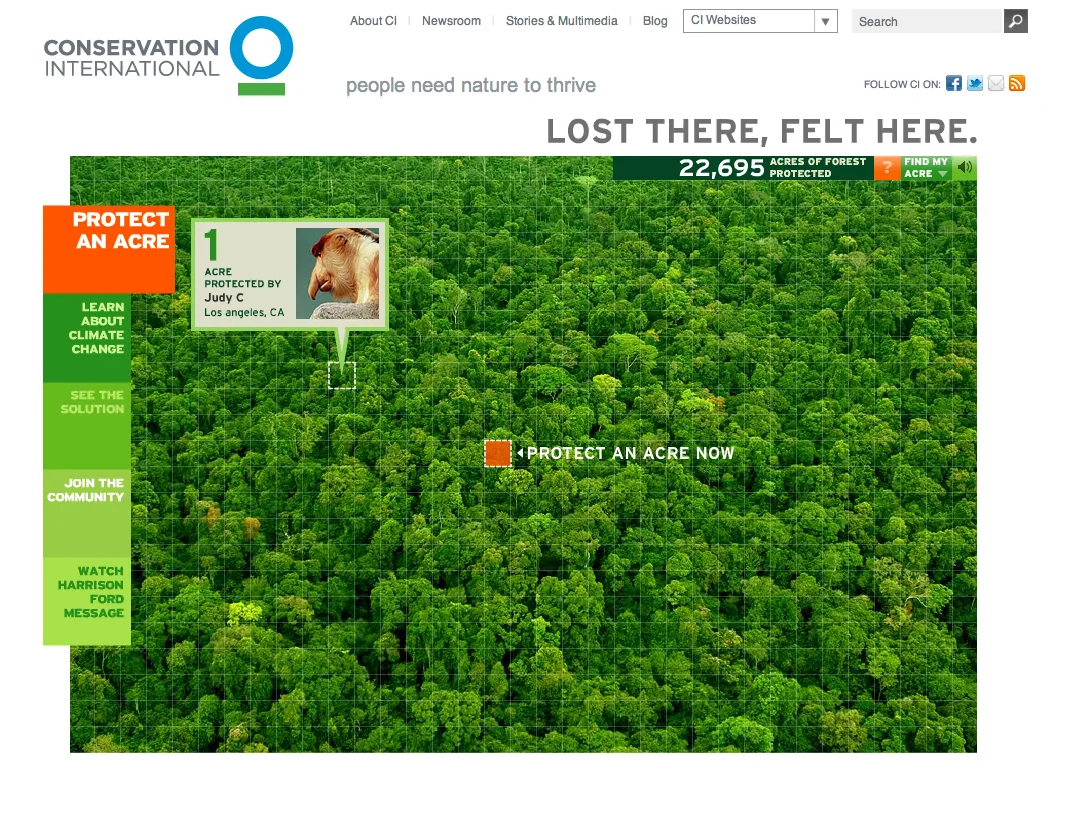
The application turned a donation into a place. Fifteen dollars protected one acre, and the acre appeared in the canopy with the donor’s name on it.
- Client
- Conservation International
- Agency
- BBDO
- Role
- Producer
- Date
- September 2008
FedEx EarthSmart
The digital experience for EarthSmart, FedEx’s sustainability program.
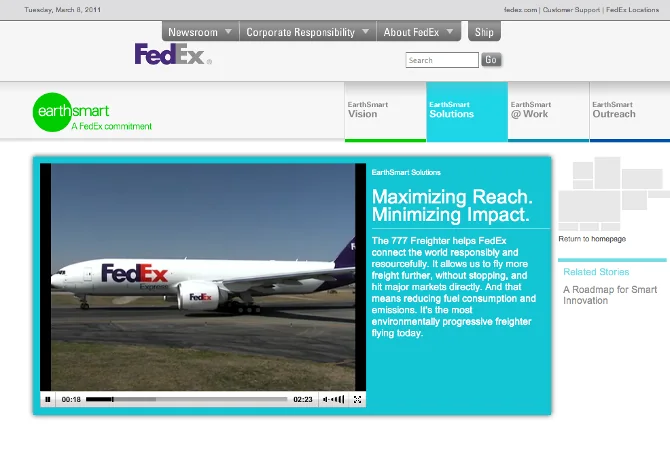
The site sorted the program into four parts: Vision, Solutions, @Work and Outreach. The screen that survives is from Solutions: a film about the 777 Freighter, which the page says flies more freight farther without stopping, and so uses less fuel.
- Client
- FedEx
- Program
- EarthSmart
- Platform
- Web
- Screen dated
- March 8, 2011
tibbr GEO global launch
The launch of tibbr GEO, the feature that let TIBCO’s enterprise social network follow places as well as people.
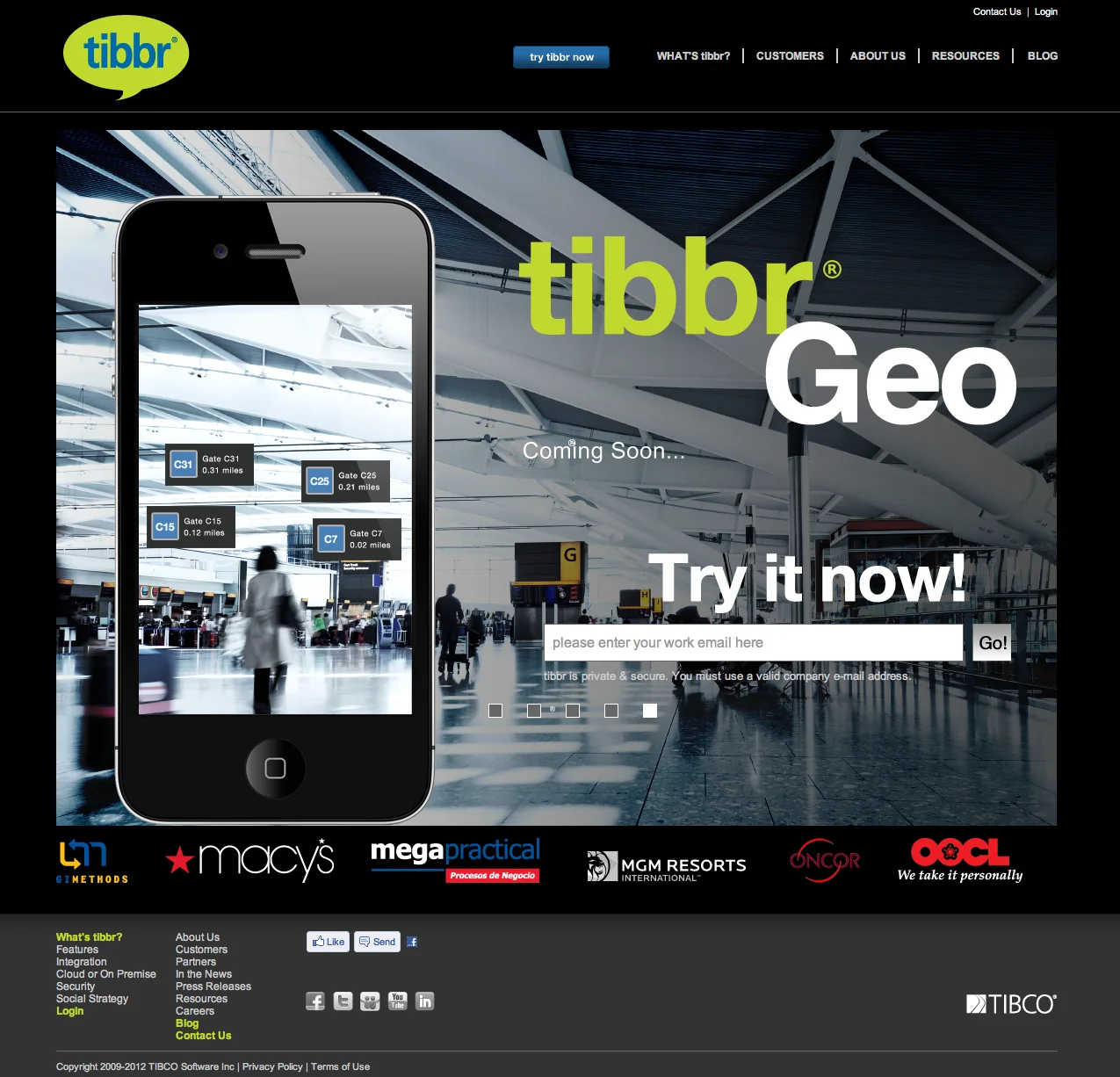
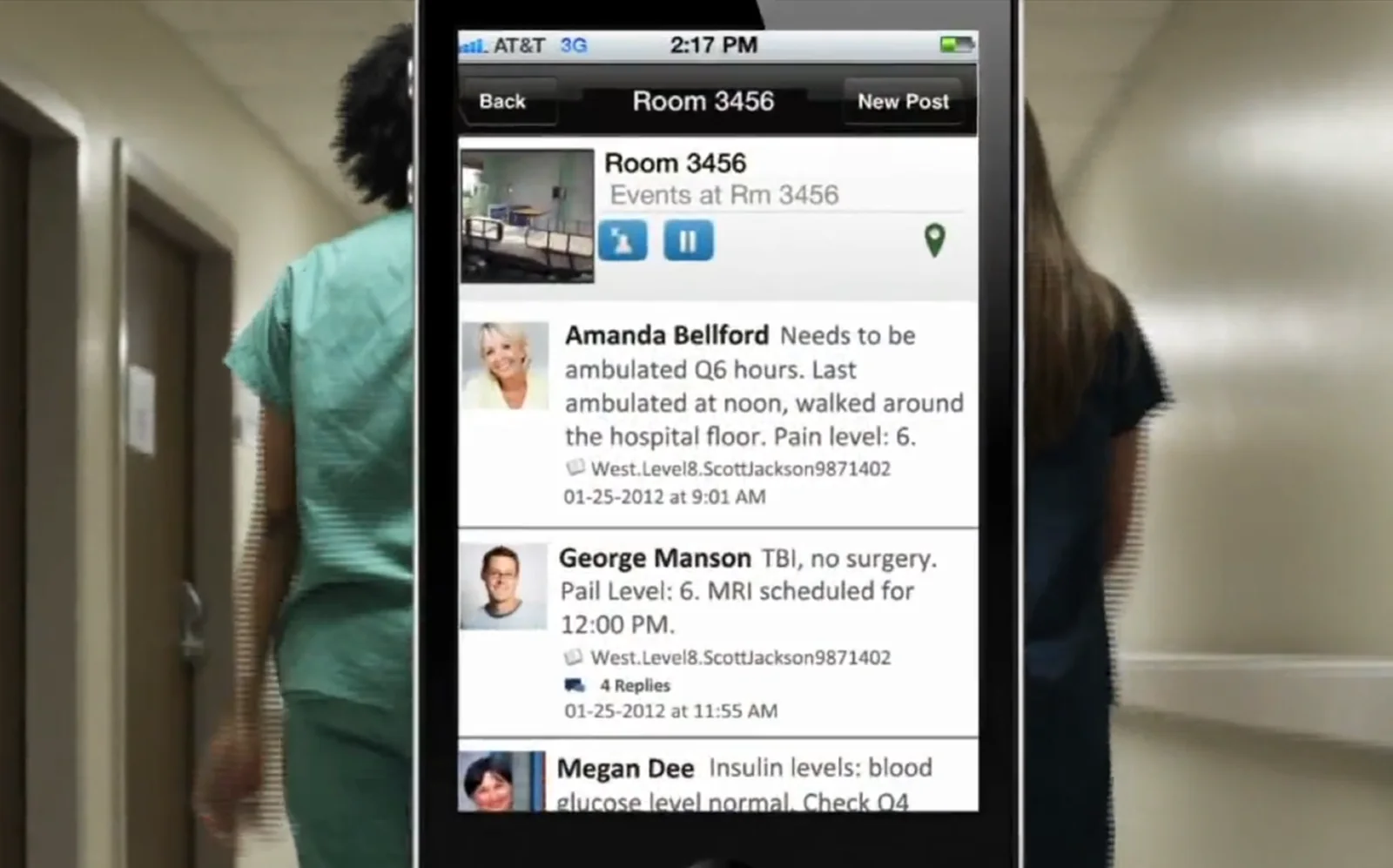
tibbr GEO let a company tag a place, inside its own buildings or beyond them. As a tibbr user approached, the place put its information into their stream. The launch explained it with examples: an airport gate that briefs the crew walking up to it, a retail aisle that knows how its shelves are selling, an oil well that can find every expert nearby and ask them a question.
- Client
- TIBCO
- Product
- tibbr GEO
- Platform
- Launch site and mobile
- Date
- February 2012
tvInvite
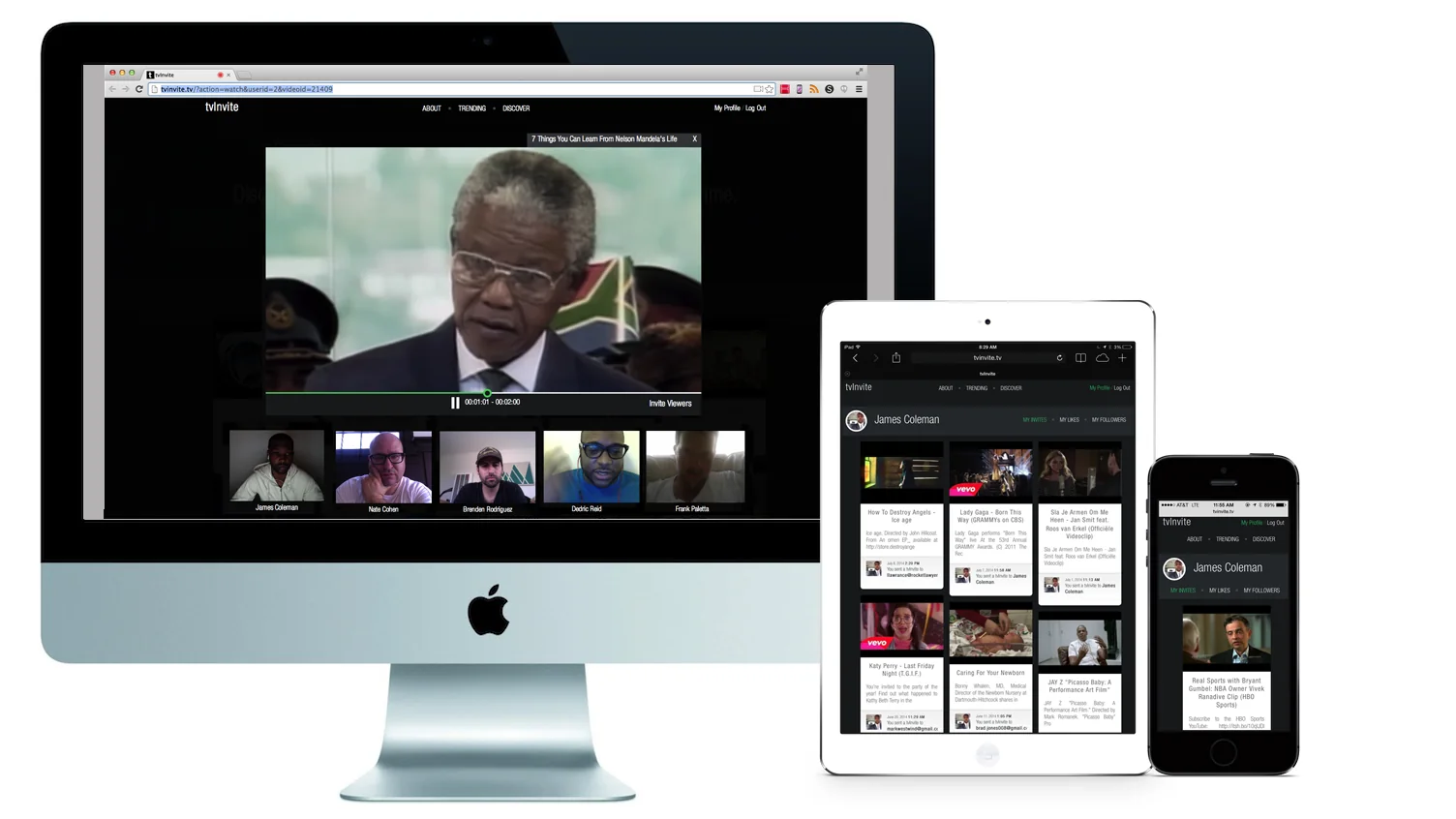
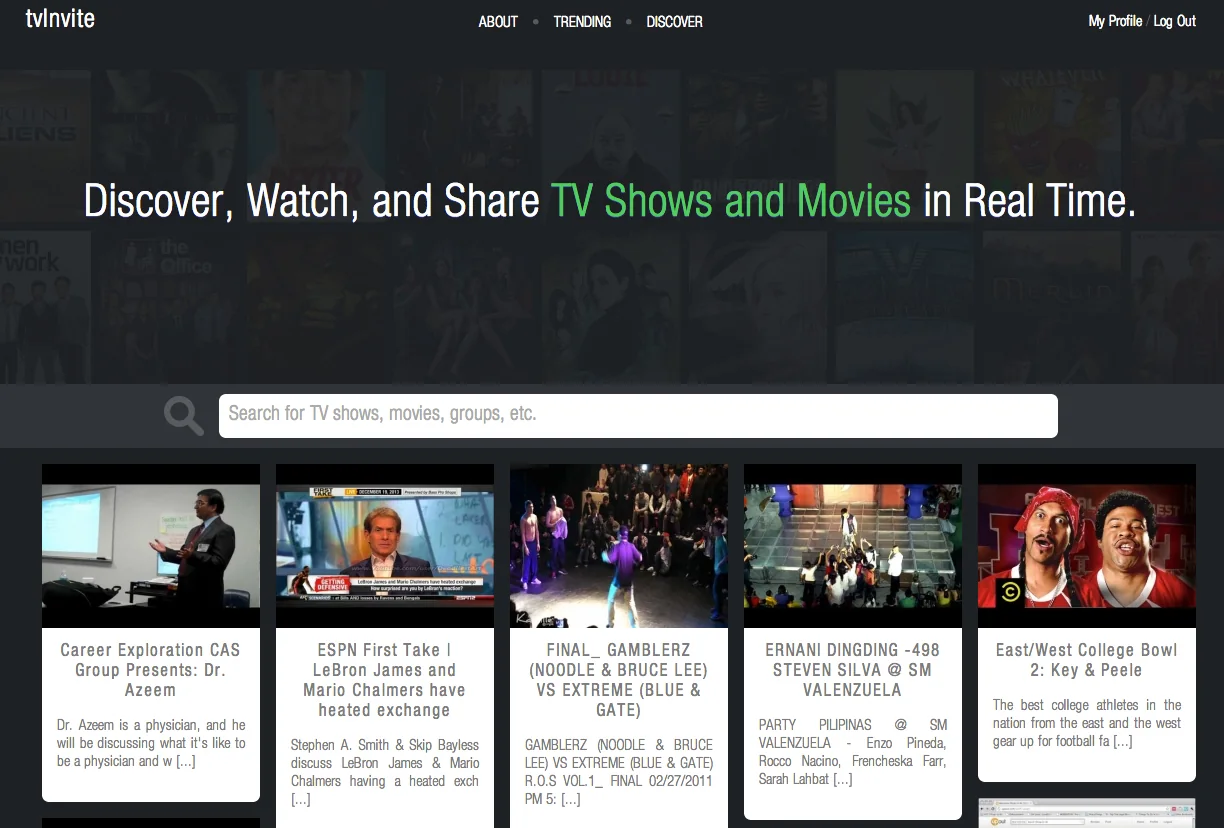
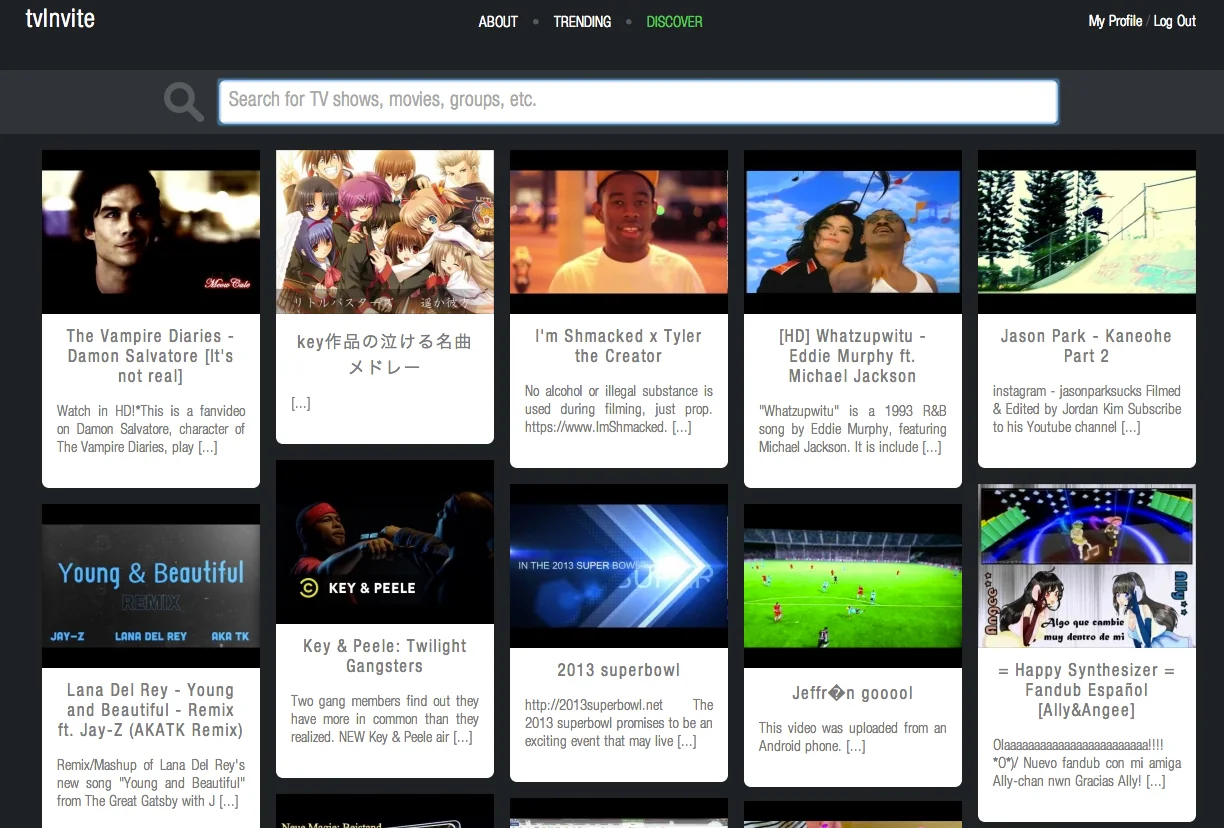
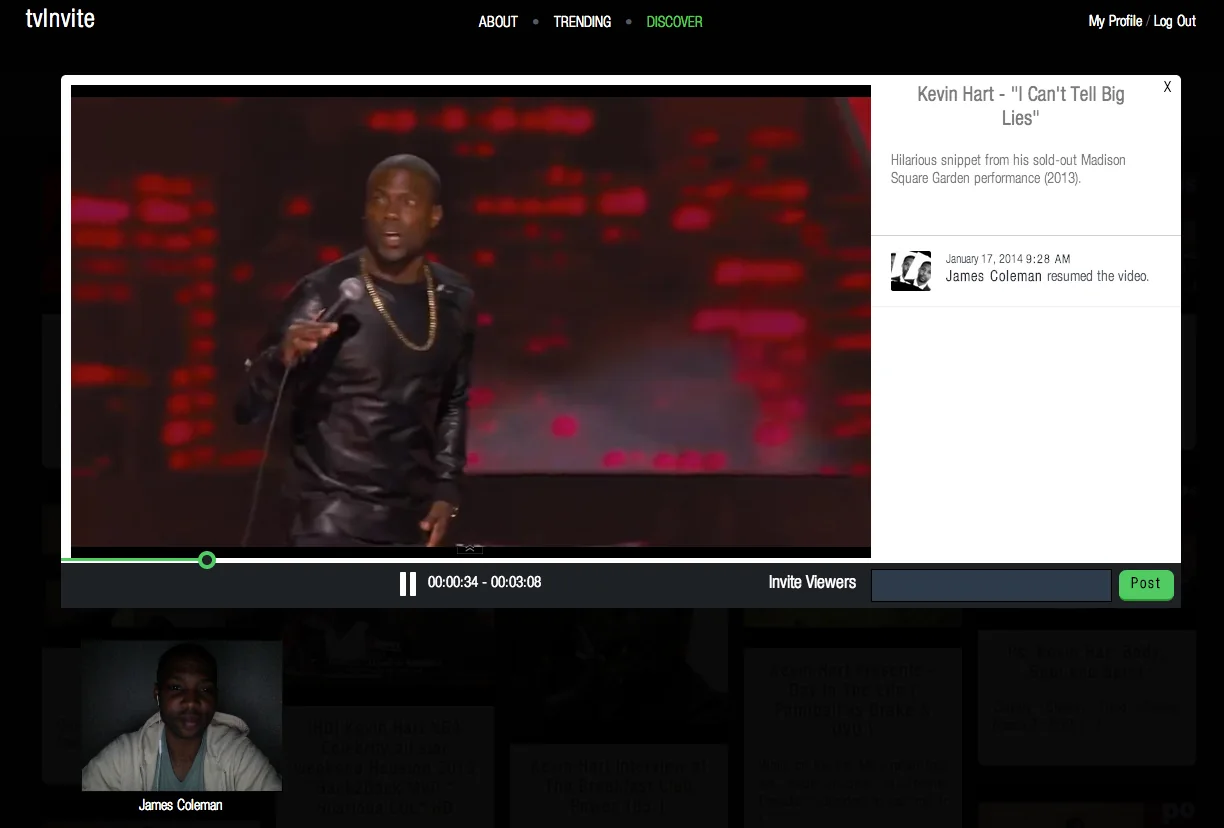
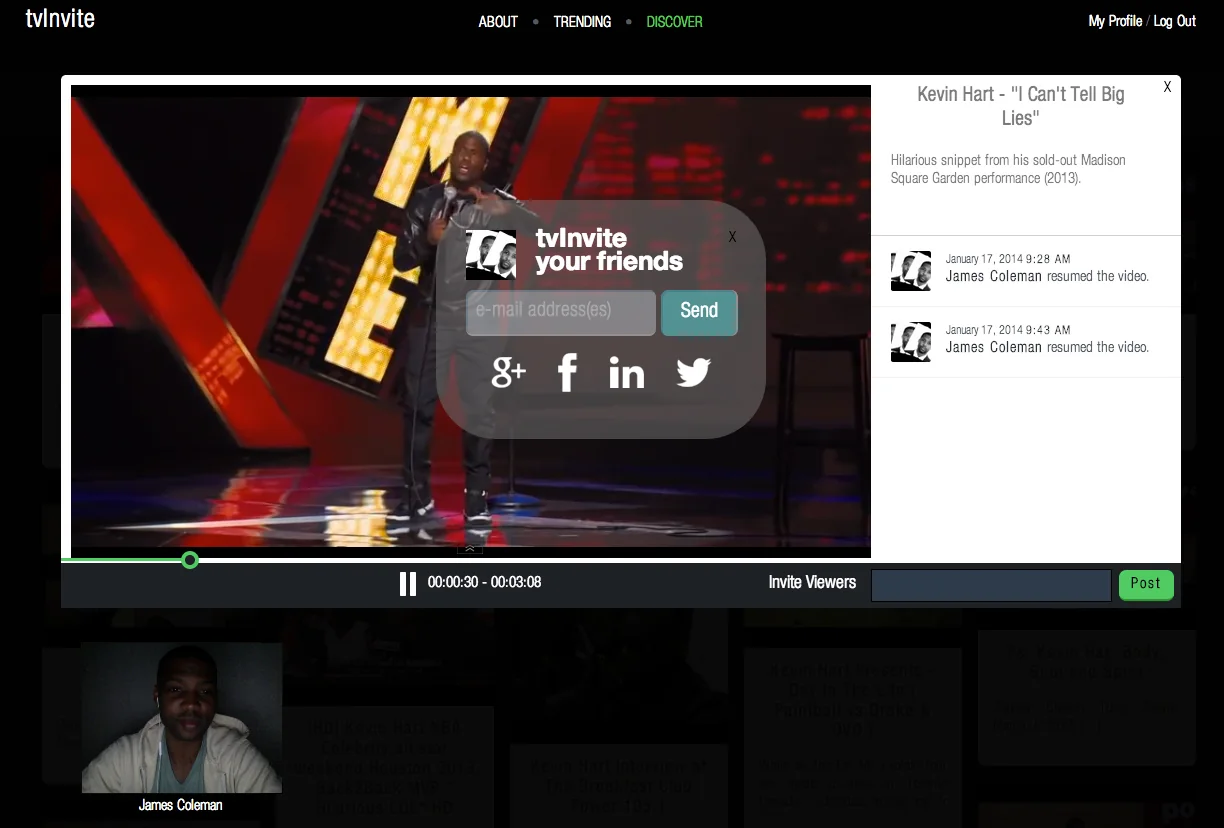
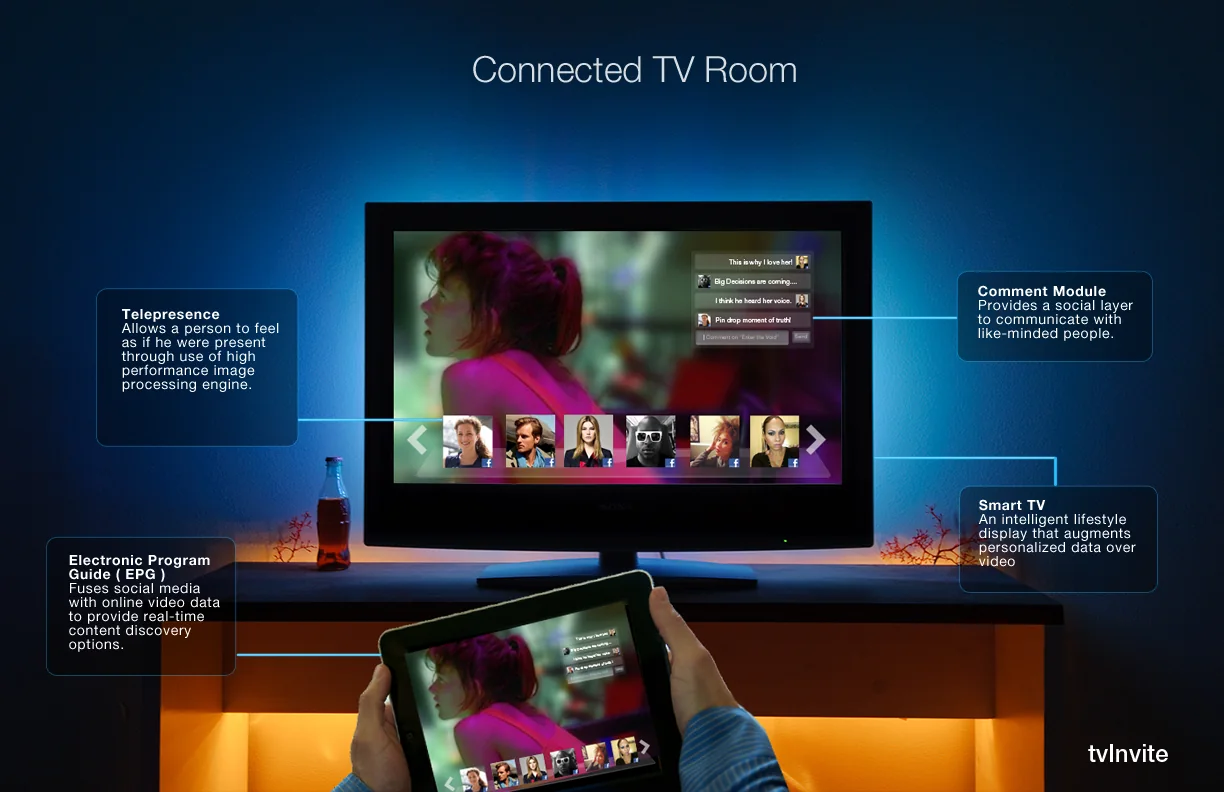
A social TV platform across desktop, tablet and phone: watch the same thing, at the same time, with the people you invite.
- Product
- tvInvite
- Platform
- Desktop, tablet and phone
- Date
- April 2013
Screens and descriptions are from the project archive. Where a role, an agency or a date is missing above, the archive does not record it. Two Google activations from 2013 and the Intel Teach campaign page have pages of their own.